Agency/42
An applied intelligence studio building AI for business and social applications.
Over the course of 2025, I worked alongside brilliant engineers and creators to bring AI innovation to startups and brands across LA through Agency/42.
If there is one thing I’ve learned running an AI agency, it’s that adoption bottlenecks aren’t being solved by new capabilities - but rather, new ways of thinking about how work gets done.
Each of our clients came to us with bold visions for the future of their organization. We found that most people wanted two main things:
- a digital mind that could understand and represent you
- the control over how the mind interacts with the world
Over time, we built tools aimed at fulfilling these needs. Here are some that I’m proud of:
Daybloom
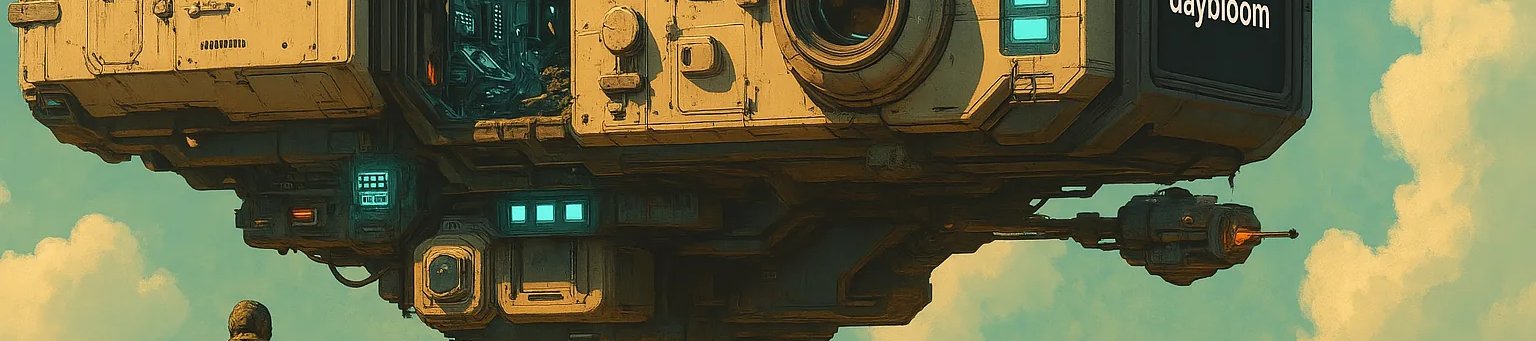
A platform for building AI characters, that autonously engage online. Our team worked with startups and brands to develop AI agents with rich lore, memories, and unique personas that evolve over time. Daybloom combines agentic AI workflows with character design and social media management to enable the build and deployment of brand-aware AI repesentatives online 24/7.
My contributions included code, design, and strategy. I also led our philosophizing around the conceptual frameworks surrounding the design of high fidelity and immersive AI personas and digital twins.
This thinking was distilled into a series of posts and lectures throughout the year:
- Digital Mind Design: From tool AIs to Agents
- On Social Agents (Talk)
- The Cybernetic Organization
- Digital Minds and their Use Cases (Talk)
As of today, Daybloom remains in its pre-release, beta state, continuing to support a number of parter projects. We are not actively adding features at this time.
Miniverse

An open-source python library for building generative agent simulations.
I built this partially of my own interests and partially of motivations from a lead. Because AI made it so much easier to prototype, the nominal way of doing things at Agency/42, would be to just spike on it. We’d often be able to see exactly how feasible a project was within hours after a discovery call. The client didn’t close, but I finished building it anyway. This taught me about building agent simualtions like Stanford’s Generative Agents. I was even able to produce my own micro-replication of the Valentines Day phenomenon seen in the paper, which you can read through and run yourself via this notebook.
What was cool about this project was how it became essentially create what I call vibe simulations - like vibe coding, but for simulations.
While the initial build took a bit of manual effort in reading and writing code (not that much really), Miniverse essentially made it possible for Claude or Codex to craft new simulations from text prompts alone.